


A Finnish Climate Change Panel report published today brings together up-to-date research data on the emission reduction potential of the AFOLU sector – agriculture, forestry and other land uses – and related cost impacts. Greenhouse gas emissions from the land use sector and agriculture accounted for one third of Finland’s total emissions in 2024.
Based on the results of the report, the most significant and cost-effective measures in terms of emission reductions include rewetting peatland fields, reducing deforestation and increasing the forest carbon reservoir. Accelerating climate action in the next few years will require significant changes in the targeting of subsidies, emissions pricing and markets, as well as guidance and education.
Performance-based subsidies, change fees and financial profitability
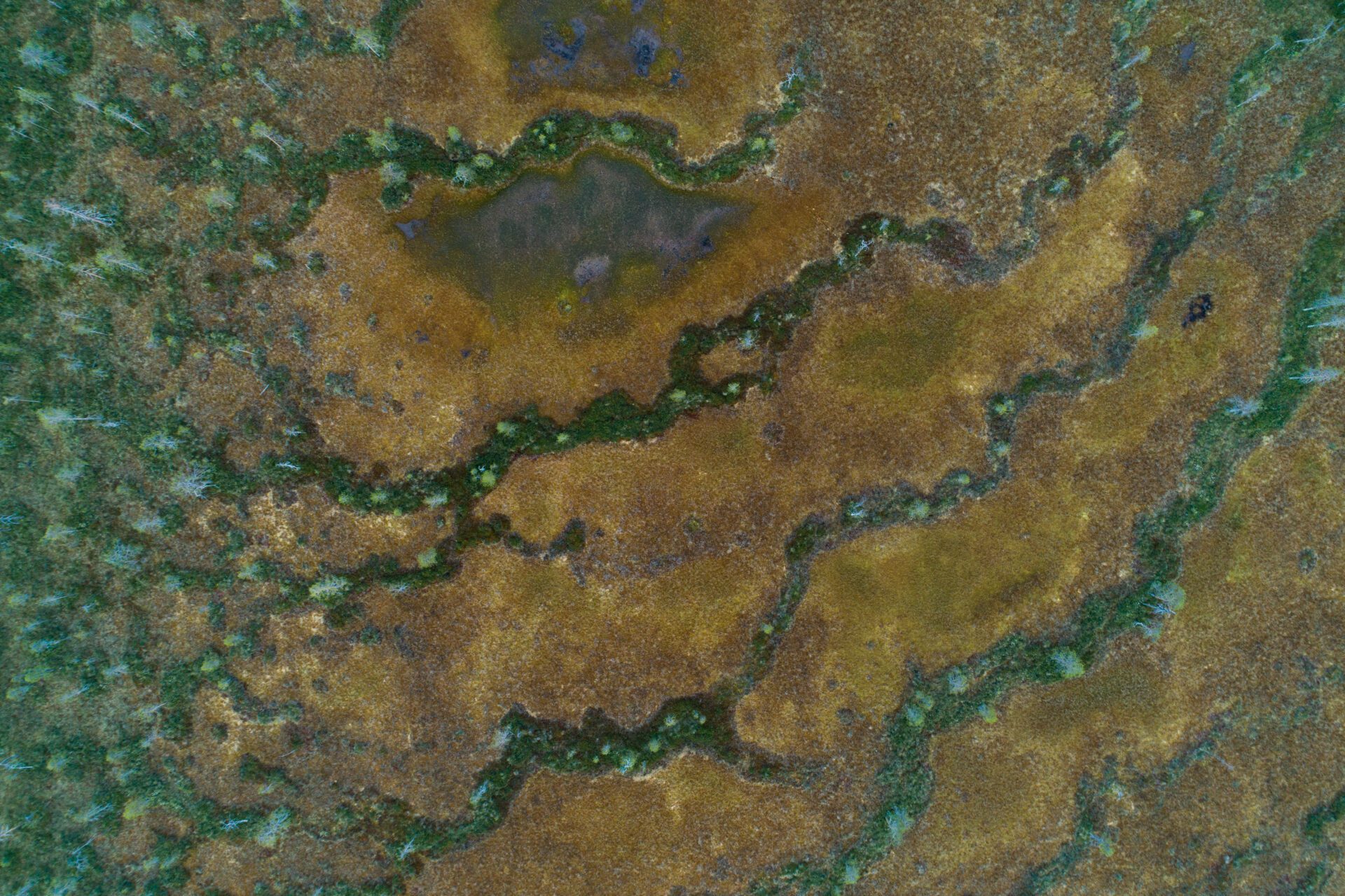
Rewetting peatland fields is a quick way to reduce emissions. Rewetting peat fields requires investments that can be encouraged with performance-based subsidies. Subsidies paid based on emission reduction measures would also increase landowners’ capacity to participate in the voluntary carbon market. Land use around peat fields may prevent raising their water level, which is why planning measures for the entire catchment basin ensures cost-effectiveness.
Reducing deforestation is essential. Reducing deforestation would allow reducing emissions caused by the loss of forest carbon reservoirs and sinks as well as soil emissions caused by land use change. A sufficiently high land use change fee would curb the clearing of new peat fields and generate revenue for the state from construction projects that cause deforestation.
Forest carbon reservoirs must be increased without delay. In forestry, the most cost-effective measure is to strengthen the carbon sink – which has deteriorated to a non-existent level in the last decade – by extending rotation periods, reducing thinning, and switching to continuous cover forestry on peatlands, which may be even more economically viable for some forest owners than the current type of forest management.
With regard to agriculture, the report addresses emissions from the digestion of farmed animals and manure treatment, the fertilisation of fields, mineral fields, peatland fields and energy consumption in agriculture. On the forestry side, the report includes information on forest management, the management of drained peatland forests, forest fertilisation, the management of early tree development, retention trees, increasing the carbon reservoir of dead wood, and wood products and production structure. Land use changes have been examined with regard to the avoidance of deforestation, the establishment of protected areas, wetland restoration and further use of peat production areas.
New earnings opportunities for the state and landowners
Public steering is used to reform the structures of agriculture, forestry and land use. The impact of climate policy may fall flat if subsidy policy is simultaneously steering actors’ choices towards increasing emissions.
To accelerate climate action in the next few years, major changes will be necessary in agricultural policy nationally and in the EU; the same applies to the allocation of subsidies, the pricing and market of emissions, and guidance services and education.
– We can leave no stone unturned. In the report, we highlight the most significant and cost-effective measures that can be taken immediately. Making them happen is entirely possible”, emphasises Research Professor Raisa Mäkipää, Vice Chair of the Climate Change Panel.
Economic instruments that change operations widely and rapidly are especially necessary in order to achieve climate objectives cost-effectively. Subsidies must be changed so that operations that are harmful to the climate are excluded from subsidies, and climate-based subsidies must be increased on a performance basis.
Climate action in agriculture, forestry and land use also creates opportunities for the state and landowners to earn money. Many measures in the land use sector support climate objectives, biodiversity and water protection in many ways.
The report:
Päästölähteestä hiilinieluksi – Maatalouden, metsätalouden ja maankäytön päästövähennysmahdollisuudet, niiden kustannukset ja tarvittavat ohjauskeinot Suomessa (‘From an emission source to a carbon sink – Emission reduction potential, costs and required policy measures in Finnish agriculture, forestry and land use’, with English abstract)