



The European Scientific Advisory Board on Climate Change (ESABCC) began its second four-year term in March 2026. The Advisory Board provides independent scientific advice to support the preparation and implementation of European Union climate policy.
The Advisory Board consists of 15 senior scientific experts in climate science and related fields from across Europe. The members were selected by the Management Board of the European Environment Agency (EEA) through an open call at the end of 2025, and the term officially began in March 2026. The current term runs until 2030.
Finnish Professor Kati Kulovesi of the University of Eastern Finland, a member of the Finnish Climate Change Panel, has been appointed to the ESABCC. Kulovesi is an internationally recognised expert in climate law. Her appointment enhances the visibility of Finnish climate research at the EU level and brings current international climate policy knowledge and insights into Finland’s climate policy science advice.
National priorities and policy realities highlighted at the start of the term
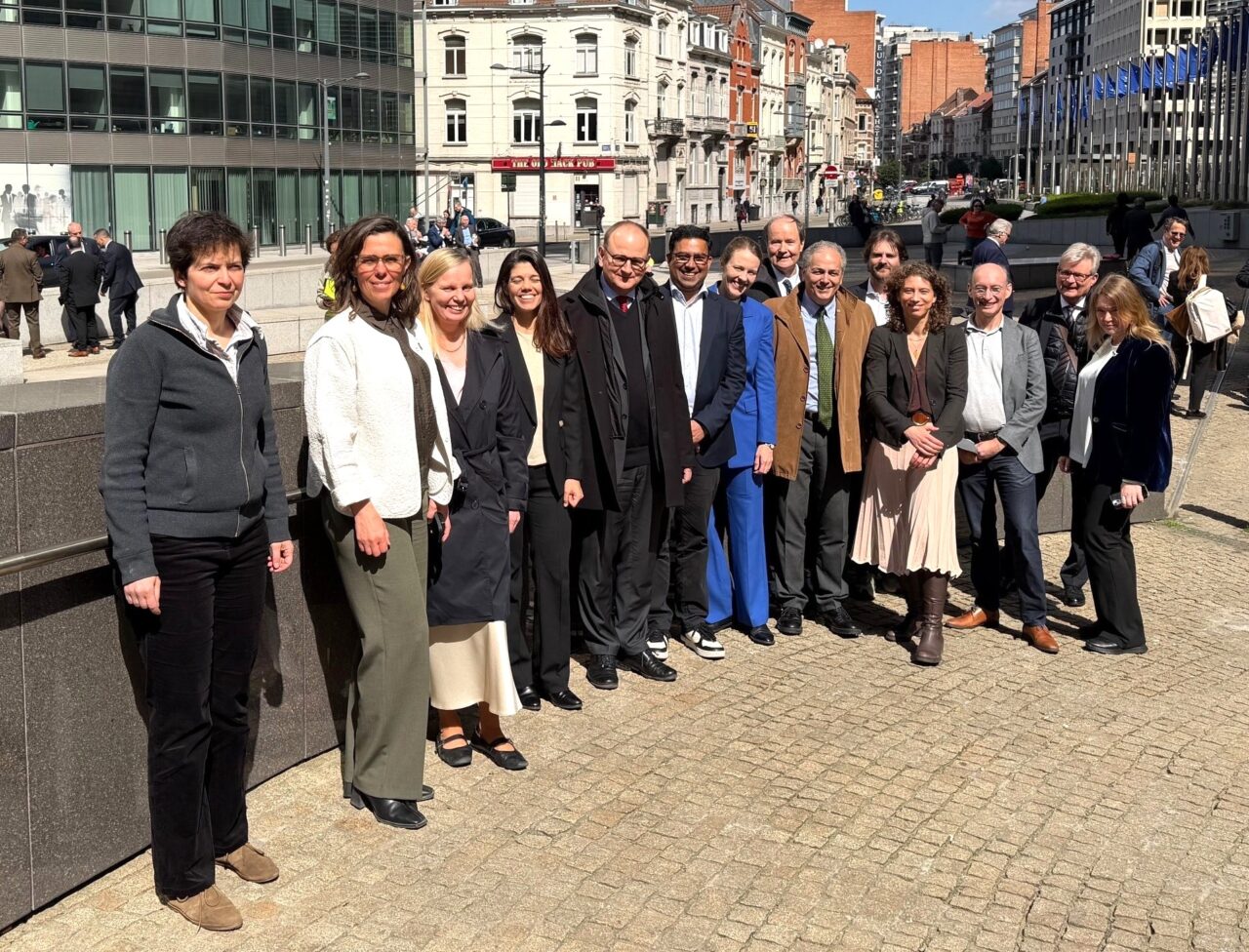
The members of the ESABCC met for the first time in April in Brussels. During the two‑day meeting, the Advisory Board discussed its work programme for the year and met with key representatives of the European Commission, the European Parliament and the European Council. In the coming months, the ESABCC will define its priorities for 2026 and continue to deliver independent scientific advice to support the EU’s climate objectives.
The work of the Advisory Board supports the EU’s long‑term strategic decision‑making at a time when climate policy is increasingly intertwined with issues of the economy, security and societal resilience. Although economic and security concerns dominate the political agenda and climate policy also faces opposition, decision‑makers across Europe continue to value scientific arguments as a basis for decision‑making.
In many countries, national climate advisory bodies are expected to provide deeper and more up‑to‑date scientific analysis as the implementation of climate policy encounters increasingly complex social and economic constraints. Within the science advice to the European Commission and Parliament, there is also a growing need to link climate policy proposals more clearly to issues of competitiveness and security.
In current European debate, climate change adaptation is receiving perhaps even more attention than mitigation. Increasing emphasis is also placed on the issue of so‑called risk ownership: who bears the costs and responsibility for preparing for climate risks and adapting to their impacts.
For more information: The ESABCC website
Edited on May 20: changes to the title